Debunking Myths About Dermatologic Surgery Procedures

Dermatologic surgery is often surrounded by misconceptions that can deter individuals from seeking necessary treatments. From fears of pain to concerns about scarring, many myths can cloud the reality of these procedures. In this blog post, we will explore common myths about dermatologic surgery, clarify the facts, and provide insights into what patients can expect.
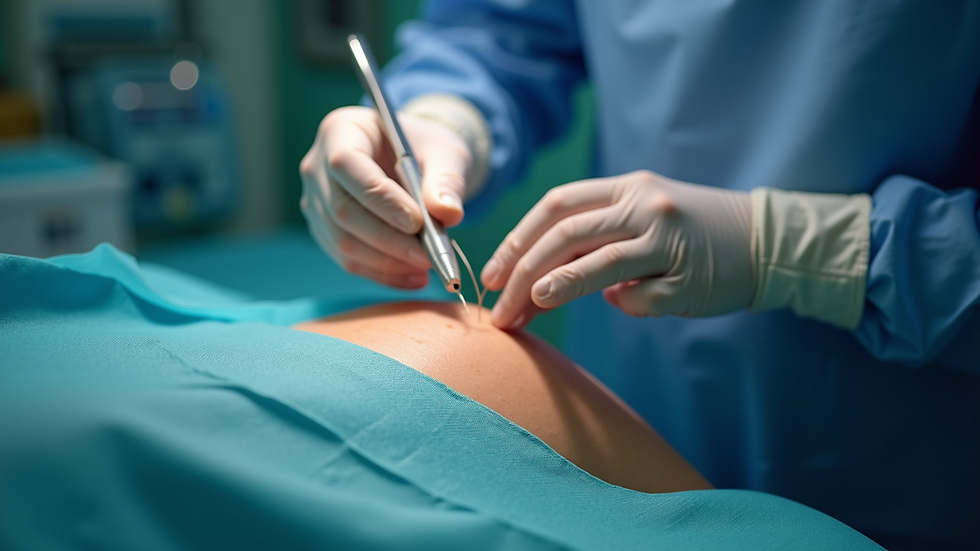
Understanding Dermatologic Surgery
Dermatologic surgery encompasses a variety of procedures aimed at diagnosing and treating skin conditions. These can range from minor outpatient procedures to more complex surgeries. Common types of dermatologic surgeries include:
Excision of skin lesions: Removal of moles, cysts, or skin cancers.
Mohs micrographic surgery: A precise technique for removing skin cancer while preserving healthy tissue.
Laser surgery: Used for various skin conditions, including scars and pigmentation issues.
Cosmetic procedures: Such as Botox injections and dermal fillers.
Understanding the scope of dermatologic surgery is crucial for dispelling myths and encouraging informed decisions.
Myth 1: Dermatologic Surgery is Extremely Painful
One of the most prevalent myths is that dermatologic surgery is synonymous with severe pain. While discomfort can vary depending on the procedure, most dermatologic surgeries are performed under local anesthesia, which numbs the area being treated.
What to Expect
Local Anesthesia: Patients typically feel minimal pain during the procedure.
Post-Operative Care: Some discomfort may occur after the anesthesia wears off, but this can usually be managed with over-the-counter pain relievers.
Follow-Up: Dermatologists often provide detailed aftercare instructions to ensure a smooth recovery.
By addressing pain management upfront, patients can feel more at ease about undergoing these procedures.
Myth 2: Scarring is Inevitable
Another common misconception is that all dermatologic surgeries will leave noticeable scars. While scarring is a possibility, advancements in surgical techniques and aftercare have significantly reduced this risk.
Factors Influencing Scarring
Type of Procedure: Some procedures, like Mohs surgery, are designed to minimize scarring.
Skin Type: Individual skin characteristics can affect healing and scarring.
Aftercare: Proper wound care and following post-operative instructions can greatly reduce the likelihood of scarring.
Techniques to Minimize Scarring
Suture Techniques: Dermatologists use specific suturing methods to promote better healing.
Topical Treatments: Silicone gels and other products can help improve the appearance of scars over time.
Understanding these factors can help patients feel more confident in their decision to undergo dermatologic surgery.
Myth 3: Dermatologic Surgery is Only for Cosmetic Purposes
Many people believe that dermatologic surgery is solely for cosmetic enhancements. While cosmetic procedures are a significant part of dermatologic surgery, many surgeries are essential for health reasons.
Health-Related Procedures
Skin Cancer Removal: Mohs surgery is a critical procedure for treating skin cancer.
Treatment of Skin Conditions: Conditions like psoriasis or severe acne may require surgical intervention.
Biopsies: Dermatologists often perform biopsies to diagnose skin conditions accurately.
Recognizing the medical necessity of certain procedures can help shift the perception of dermatologic surgery from purely cosmetic to essential healthcare.
Myth 4: Recovery Takes a Long Time
Another misconception is that recovery from dermatologic surgery is lengthy and complicated. In reality, many procedures are outpatient and allow patients to return to their daily activities quickly.
Typical Recovery Times
Minor Procedures: Many patients can resume normal activities within a few days.
More Complex Surgeries: Procedures like Mohs surgery may require a week or two for full recovery, but most patients feel well enough to return to work within a few days.
Tips for a Smooth Recovery
Follow Aftercare Instructions: Adhering to post-operative care can speed up recovery.
Avoid Strenuous Activities: Limiting physical exertion can help prevent complications.
Stay Hydrated and Nourished: Proper nutrition supports healing.
By understanding recovery timelines, patients can better prepare for their post-surgery life.
Myth 5: Dermatologic Surgery is Only for Older Adults
Many people think that dermatologic surgery is primarily for older adults. However, individuals of all ages can benefit from these procedures.
Age and Dermatologic Surgery
Young Adults: Procedures like acne scar treatment or mole removal can be beneficial for younger individuals.
Middle-Aged Adults: Many seek cosmetic enhancements to address signs of aging.
Older Adults: Skin cancer removal and other health-related surgeries are common in this demographic.
The Importance of Early Intervention
Addressing skin issues early can prevent complications later. For example, removing suspicious moles can lead to early detection of skin cancer, which is crucial for successful treatment.
Conclusion
Dermatologic surgery is a vital aspect of skin health that is often misunderstood. By debunking these myths, we hope to empower individuals to seek the care they need without fear or hesitation. Whether for cosmetic reasons or essential health care, dermatologic surgery can significantly improve quality of life.
If you have concerns about your skin or are considering a dermatologic procedure, consult with a qualified dermatologist to discuss your options. Remember, informed decisions lead to better outcomes.
Comments